Why People Ask “Do Amish Pay Taxes?”
Many people wonder if the Amish pay taxes because they live differently from most Americans. The Amish are a group of people who follow old ways of life, like using horses instead of cars. Some think they don’t pay taxes at all since they avoid modern things. But that’s not true. This question comes up a lot online and in talks about religion and laws. People are curious about how the Amish fit into U.S. rules while keeping their beliefs. In this article, we’ll explain it simply, like why some taxes they pay and some they don’t.)
Common misconceptions about Amish and taxes
A big mistake is thinking the Amish skip all taxes. Others believe they get special breaks for everything. But they pay most taxes like everyone else. The mix-up happens because of their special rule for one type of tax.
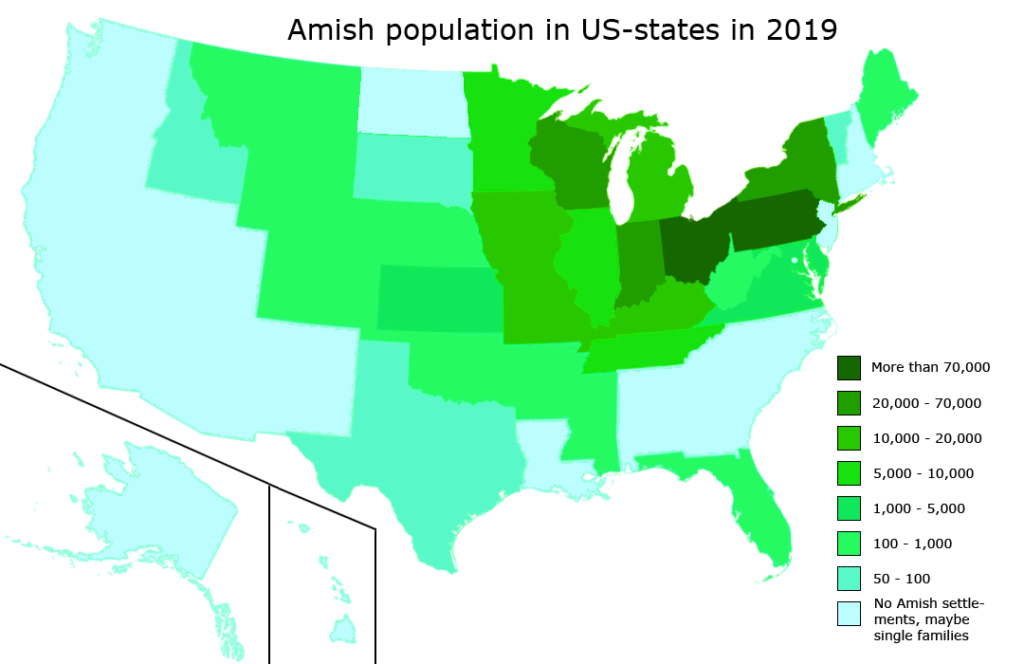
List of U.S. states by Amish population – Wikipedia
Who Are the Amish in the United States?
The Amish are a religious group in the U.S. who came from Europe long ago. They live in simple ways, without electricity or cars, to focus on family and God. Most live in rural areas, farming or making things by hand. There are about 350,000 Amish people, mostly in states like Pennsylvania, Ohio, and Indiana. They speak a mix of English and their own language. Amish kids go to their own schools until age 14 or so. They value hard work and helping each other.
Amish religious beliefs and lifestyle
Amish believe in living plainly, following the Bible closely. They don’t use modern tech to avoid pride or distractions. Families are big, and everyone helps on farms.
Amish communities in the US
The biggest groups are in Pennsylvania’s Lancaster County. Others in Ohio and Indiana. They live in close-knit villages, sharing tools and support. New communities start in other states too.
Amish Buggy Rides – The Ultimate Amish Experience
Do Amish Pay Taxes?
Yes, Amish people do pay taxes in the U.S. They follow most tax laws like other citizens. They pay for income from jobs, property they own, and things they buy. But there’s one exception: they can skip Social Security and Medicare taxes because of their religion. This doesn’t mean they avoid all taxes. They help fund roads, schools, and the government. The simple answer is yes, but with a small “but” for religious reasons.
Yes or No? The real explanation
Mostly yes. They pay income, property, and sales taxes. No for Social Security if they choose the exemption.
Why confusion exists online
People see old stories or jokes saying Amish pay nothing. Online rumors spread fast without facts. Some mix up their simple life with tax rules.
Do Amish Pay Taxes in the US Under Federal Law?
Under U.S. federal law, Amish are treated like other citizens for most taxes. They must report income and pay what they owe. The government sees them as regular taxpayers. But for some taxes linked to benefits they don’t want, like retirement help, they can get out. This is fair because they don’t take the money back. Federal rules make sure everyone pays their share for the country.
Federal tax responsibilities
They file returns for income and other federal taxes. No special breaks except for religion-based ones.
IRS treatment of Amish citizens
The IRS lets Amish skip certain taxes if they file a form proving their beliefs. They are seen as honest taxpayers otherwise.
Do Amish Pay Income Tax?
Amish do pay income tax on money they earn. If they farm, build furniture, or work jobs, they report it to the government. Federal income tax is the same for them as for you. States also charge income tax where they live. They use simple math to figure out how much. No exemptions here just because they’re Amish. It’s based on how much they make each year.
Personal income tax rules
They pay on wages or profits. Deductions for family or business costs help lower the bill.
State income tax for Amish
Most states with income tax make Amish pay too. Rules vary by state, but no full exemptions.
Amish and Social Security Taxes
Amish can be exempt from Social Security taxes. This tax pays for old-age benefits, but Amish don’t want that. Their church helps members instead. To get exempt, they file IRS Form 4029. Once done, they don’t pay this tax forever. But they also can’t get Social Security money when old. It’s a trade-off for their beliefs.
Why Amish are exempt from Social Security tax
Their religion says to care for each other, not rely on government insurance. Law allows this choice.
Legal conditions for exemption
Must be in a group that opposes insurance. File form once; it’s permanent. Applies to self-employed too.
Do Amish Pay Medicare Taxes?
Amish don’t pay Medicare taxes if they have the exemption. Medicare is health help for old people, like Social Security. They skip both because their community handles health care. No government benefits mean no paying in. But if they work for non-Amish bosses, sometimes the boss pays part, but Amish get refunded.
Medicare vs Social Security
Both are for later life help. Medicare is medical; Social Security is money. Exemption covers both.
What Amish give up in return
They lose free health care or retirement checks. Community funds help instead, like shared doctor bills.
Property Taxes – Do Amish Pay Them?
Yes, Amish pay property taxes on land and homes they own. This tax helps local areas. Even if they farm big lands, they pay based on value. It funds things everyone uses, like fire trucks or parks. Amish don’t skip this, even though they might not use all services.
Local and county property taxes
Paid yearly to county. Based on property worth. Amish farms can mean higher taxes.
Schools, roads, and public services
They pay school taxes but use own schools. Roads and police get funded too.

Amish Farming Traditions Survive in 21st Century
Sales Tax and Amish Communities
Amish pay sales tax when buying things like food or tools. It’s added at the store. If they sell items, they collect sales tax from buyers and send it to the state. This is like any shop. No special rule here; it’s the same for all.
Buying goods and paying sales tax
They pay extra on purchases. Helps state budget.
Amish businesses collecting sales tax
If selling quilts or food, they charge tax and report it.
When selling quilts or food, they impose taxes and report the income.
Amish-Owned Businesses and Tax Rules
Amish who own businesses pay taxes on profits. They report like other owners. If they hire people, they handle worker taxes, but exemptions apply for Amish workers. Businesses help their families and follow rules.
Business income tax
Paid on earnings after costs. Same as small shops.
Employment taxes
For non-Amish workers, pay full. For Amish, skip Social Security part if exempt.

Taste homemade goods from the heart of Amish country at N.J. …
Self-Employed Amish and Tax Responsibilities
Many Amish are self-employed, like farmers or crafters. They pay income tax on what they earn. For self-employment tax, which covers Social Security, they can be exempt if religious. They keep records and file forms. This lets them run businesses their way.
Farming and small businesses
Farming is common; sell crops or milk. Small shops make furniture. Earnings taxed, but costs deducted. Hard work means steady income.
Self-employment tax rules
Normally pays for Social Security. Exempt Amish skip this part after filing form.
Religious Tax Exemptions in the US
U.S. law allows some religious groups to skip certain taxes if it goes against their faith. For Amish, it’s about not using insurance-like programs. They must prove they’re in a group that helps its own. This protects freedom of religion.
Legal background of Amish tax exemptions
Started after court cases. Law says if religion opposes benefits, no need to pay in. The Amish won rights in 1960s.
IRS Section 1402(g)
This rule lets self-employed skip Social Security tax. File Form 4029; must be a permanent member of group.
Amish Tax Myths vs Facts
Myths say Amish pay no taxes and live free. Facts show they pay most, like income and property. Only skip Social Security for beliefs. They contribute to society.
Common false beliefs
All taxes skipped; get special deals. Or they cheat the system.
Reality based on law
Pay all but exemptions. Follow rules honestly.
Amish vs Other Religious Groups (Tax Comparison)
Amish get personal exemptions for Social Security. Churches often don’t pay property or income tax as groups. But individual church members pay their own taxes. Amish are unique because exemptions are for people, not just buildings. Other groups like Mennonites might qualify too. Churches can be tax-free for donations, but Amish focus on self-help. This shows how U.S. law respects different faiths while collecting taxes fairly.
Amish individuals receive personal exemptions from Social Security. Religious organizations typically do not pay property or income taxes as entities; however, individual members of those churches are responsible for their own taxes. The Amish stand out in that their exemptions apply to individuals rather than solely to structures. Other groups, such as Mennonites, may also be eligible. While churches can be exempt from taxes on donations, the Amish emphasize self-sufficiency. This illustrates how U.S. law acknowledges various religious beliefs while ensuring equitable tax collection.
What Happens If Amish Choose to Pay Social Security Tax?
If an Amish person starts paying Social Security tax, they might lose their exemption forever. The rule is meant to be a one-time choice against their beliefs. Once they pay in, they could get benefits later, but it breaks the religious rule. Most Amish stick to exemption to stay true to faith.
Permanent loss of exemption
Form is irrevocable. Paying once ends the skip option.
Frequently Asked Questions (FAQ)
Do the Amish pay federal taxes?
Yes, they pay federal income taxes and others, except Social Security if exempt.
Do Amish pay taxes in the US like others?
Mostly yes. They pay income, property, sales. Skip only Social Security and Medicare for religion.
Final Conclusion – Do Amish Pay Taxes in the US?
Amish people in the United States do pay taxes, including federal and state income taxes on earnings, property taxes, and sales taxes on purchases. However, they are exempt from Social Security and Medicare taxes due to their religious beliefs, which emphasize mutual aid over government reliance. They file a special form with the IRS to maintain this exemption, which means they do not receive these benefits in old age or illness, balancing their contributions while respecting their values.
Myths make people think Amish skip everything, but that’s wrong. They work hard and pay most taxes honestly. Compared to other religious groups, Amish have personal exemptions, while churches might get group breaks. If an Amish person ever pays into Social Security, they can’t go back to the exemption. Overall, the system balances freedom and responsibility. Learning about the Amish shows how America lets different ways of life fit in. They remind us that taxes help everyone, but faith matters too.
Many believe that the Amish avoid responsibilities, but this is a misconception. The Amish are diligent workers and fulfill their tax obligations. Unlike some other religious communities that benefit from group tax exemptions, the Amish receive individual exemptions. Once an Amish individual contributes to Social Security, they lose the ability to return to their exempt status. Ultimately, the system strives to balance liberty with accountability. Exploring Amish culture highlights how diverse lifestyles coexist in America. They highlight the importance of taxes for the collective good while underscoring the significance of faith.
Our Recommendation Relevant Post