
Many people believe that all salaried workers cannot get overtime pay. This is a big misconception. Lots of employees think a steady salary means no extra money for working long hours. But do salaried workers get overtime pay? The answer is sometimes yes.
The real key is your job classification, not just how you are paid. Some salaried workers qualify for overtime based on their duties and the law. Others do not. In the United States, federal rules under the FLSA and state laws decide this.
If you often work more than 40 hours without extra pay, check your rights. You might be owed money. This issue confuses many people. Let’s break it down and answer do salaried workers get overtime pay clearly.
Knowing the facts helps protect your earnings.

What Is a Salaried Employee?
A salaried employee gets a fixed amount of money for their work each pay period. This is common in office jobs, management, or professional roles. They focus on completing tasks rather than tracking every hour.
Salaried workers usually receive pay weekly, bi-weekly, or monthly. This setup provides steady income without hourly fluctuations.
How salaried employees are paid
Salaried pay is a set amount based on the job, not hours worked. Employers agree on this figure when hiring.
The paycheck stays the same most times, even if hours vary. It does not usually increase for extra work or decrease for fewer hours.
This gives financial stability. Workers know what to expect each period. Many prefer this over variable hourly pay.
Difference between salaried and hourly workers
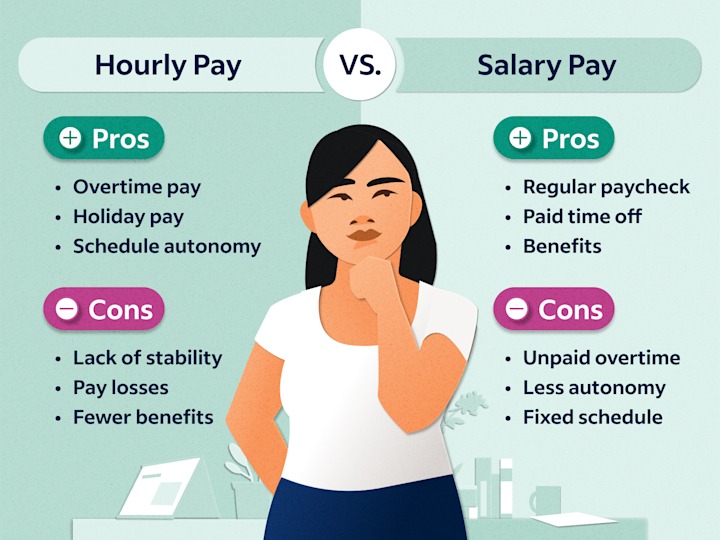
Hourly workers earn money for each hour on the job. Their pay changes based on time tracked.
Salaried workers have fixed pay. They often enjoy more flexibility in schedules.
Hourly employees track time closely. Salaried focus on results.
Overtime comes easier for hourly. Salaries depend on classification.
Do salaried workers get overtime pay?
It varies.
Salaried roles may include better benefits like paid leave.
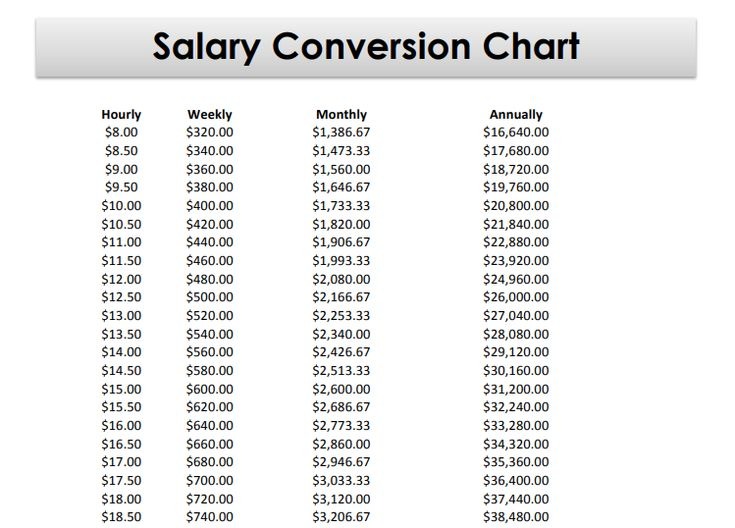
Salaried vs Hourly Overtime Pay
When we look at salaried vs hourly overtime pay, the differences stand out. Hourly workers get overtime more reliably. Salaried ones face more rules.
This can confuse people. Many salaried workers put in extra hours thinking no pay comes. But do salaried workers get overtime pay? Sometimes they do.
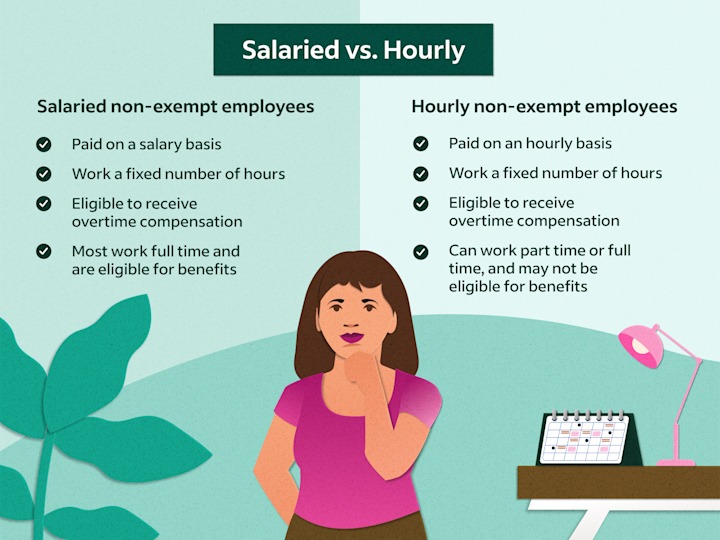
The main factor is exempt or non-exempt status. Hourly hours are usually non-exempt. Salaried can go either way.
Understanding salaried vs hourly overtime pay helps know your rights.
How overtime works for hourly employees
Hourly employees follow the 40-hour week rule. Working over 40 hours in a week triggers overtime.
They earn time and a half. This means 1.5 times their normal hourly rate.
The law requires this to fairly compensate for extra time. It protects workers from too many unpaid hours.
Most states follow federal guidelines here.
Do salaried workers get overtime pay compared to hourly employees?
Salaried workers do not always qualify like hourly ones. Hourly overtime consistently because pay ties to hours.
Salaries can be exempt. That means no overtime, even for long weeks.
Non-exempt salaried do get it. Do salaried workers get overtime pay? Yes, if non-exempt.
Hourly hours are non-exempt by default. This makes their overtime more straightforward.
Exempt vs Non-Exempt Employees
The exempt vs non-exempt classification matters most for overtime. It looks at duties and pay basis, not just title or salary amount.
This decides protection under labor laws. Do salaried workers get overtime pay? It depends here.
Misclassification happens often. Employers sometimes label wrongly to avoid overtime costs.
What does an exempt employee mean?
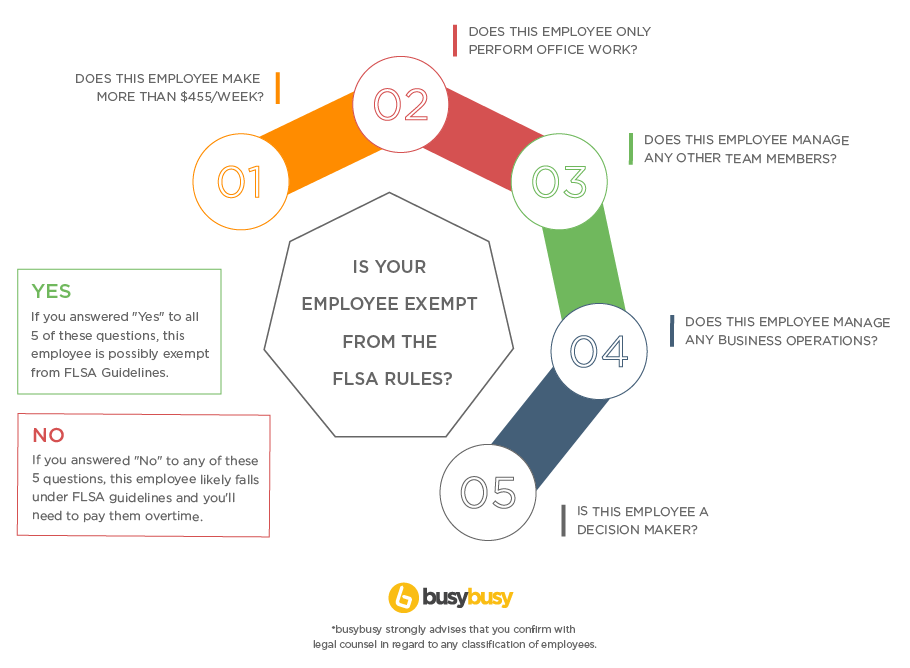
Exempt employees do not get overtime pay. They are free from FLSA overtime rules.
Generally, no extra for hours over 40.
Common roles include executives who manage teams, professionals like doctors or lawyers, and admins with independent decisions.
These jobs involve high-level skills or supervision.
What is a non-exempt salaried employee?
Some salaried employees are non-exempt. They still qualify for overtime pay.
Their main duties do not meet exempt tests.
Labor laws protect them fully. Employers must pay overtime when earned.
Do salaried workers get overtime pay? Yes, non-exempt ones do.
They often track hours like hourly workers.
Overtime Rules Under FLSA
Overtime rules for salaried employees come from the Fair Labor Standards Act. These overtime rules for salaried employees are federal basics.
They apply nationwide unless states add more protection.
Current rules help many workers.
What is the FLSA?
The FLSA is the Fair Labor Standards Act. Congress passed it in 1938.
It sets minimum wage, overtime pay, recordkeeping, and child labor rules.
The U.S. Department of Labor enforces it.
It governs federal overtime rules for most private and public jobs.
The goal is fair pay practices.
Salary basis and duties test explained simply
Salary basis means fixed pay each period. It cannot drop for fewer hours or quality issues.
Duties test checks main job tasks. The exemption requires executive, administrative, or professional work.
Both tests must pass for exempt status.
Job duties heavily affect overtime eligibility.
Overtime rules for salaried employees in the United States
Non-exempt workers get 1.5 times the regular rate over 40 hours weekly.
Exempt salaries do not qualify.
To be exempt, meet salary threshold (currently around $684 weekly) and duties test.
States may have stricter rules.
Do salaried workers get overtime pay? Non-exempt do.
Always use the law favoring workers.
Salaried Employees Overtime Pay California
California has strong worker protections. Salaried employees overtime pay California often covers more people than federal rules.
State laws go beyond FLSA in many ways.
This helps prevent overwork without fair pay.
How California overtime laws are different
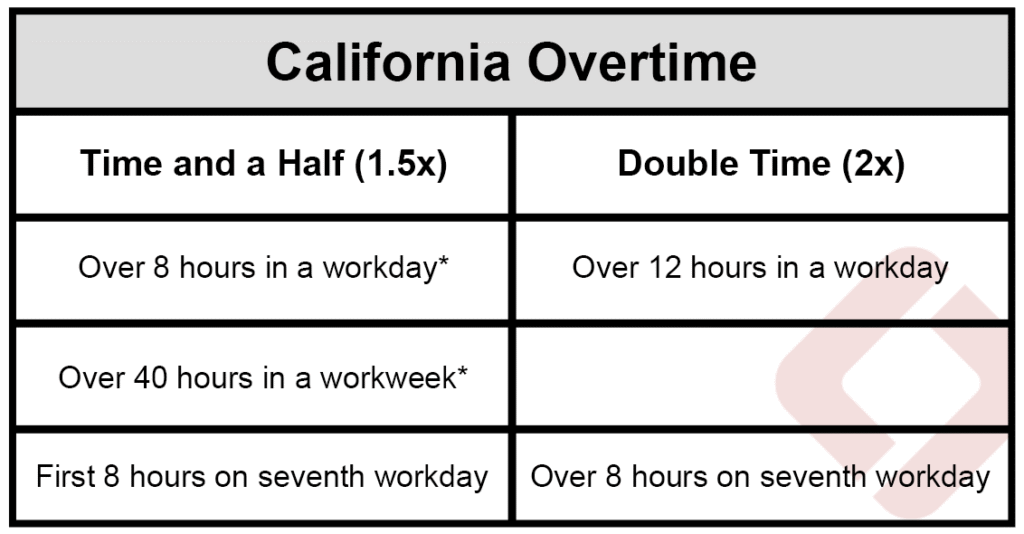
California has stricter labor laws. Overtime starts after 8 hours daily, not just 40 weekly.
Also, double time after 12 hours daily or certain weekend work.
This provides stronger employee protections.
The federal government only requires weekly overtime.
California focuses on daily limits too.
Who qualifies for overtime pay in California?
Non-exempt workers qualify easily. To be exempt, meet a high salary threshold (at least $70,304 annually in 2026) and specific duties.
Many salaried roles remain non-exempt.
State rules protect routine or supervised jobs.
Do salaried workers get overtime pay in California? Often yes.
When Do Salaried Employees Get Overtime?
Do salaried workers get overtime pay? It happens in real-life cases based on rules.
Not all salaried skip it. Practical examples show when it applies.
Check your situation carefully.
Common situations where salaried employees receive overtime
Non-exempt classification is common. Duties are routine or supervised.
Working beyond legally defined hours, like over 40 weekly or daily in some states.
Employers sometimes pay overtime to salaried non-exempt employees.
Do salaried workers get overtime pay?
Yes, here.
Signs you may be misclassified
Job duties do not match exempt criteria. Mostly basic tasks, not managing or expert decisions.
Employer misuse of job titles. “Manager” but no real authority or team supervision.
Pay deductions for small reasons.
Hours tracked but no overtime.
Do salaried workers get overtime pay if misclassified? You may claim back wages.


FAQs – Do Salaried Workers Get Overtime Pay?
Do salaried workers get overtime pay in the US?
Not all. Depends on exempt status. Non-exempt salaried get overtime over 40 hours. Exempt do not. FLSA sets basics; states may add more. Check duties.
Are all salaried employees exempt from overtime?
No. Common myth. Some salaries are non-exempt and qualify. Based on duties and tests. Misclassification happens. See if do salaried workers get overtime pay applied to you.
Can salaried employees get overtime pay in California?
Yes, many do. Non-exempt get daily/weekly overtime. Exempt needs $70,304+ yearly (2026) and duties. The state protects more workers than the federal.
What is the difference between exempt and non-exempt employees?
Exempt skip overtime. Advanced duties required. Non-exempt. Most workers are non-exempt. Decides do salaried workers get overtime pay.
How can a salaried employee check overtime eligibility?
Review duties vs FLSA tests. Check salary threshold. Track hours. Ask HR or DOL. Lawyer helps salaried workers get overtime pay claims.
Recommended post: