Florida has a special way of collecting money to run the state. This is called the tax system. Florida does not take money from people’s paychecks like some states do. Instead, it gets a lot of money from sales taxes when you buy things and property taxes on homes and buildings. But property taxes can be a big problem for many people. They go up when house prices rise, and that makes it hard for families to afford their homes.
Right now, there is talk about a new idea called the Florida proposed tax plan. This plan wants to change how property taxes work, especially for people who live in their own homes. It is also known as the new Florida tax plan 2025 because talks started last year. The main goal is to lower or even get rid of some property taxes for homeowners. This could help many families save money. But it is not simple. Local areas use property taxes to pay for things like schools, roads, and police. If taxes go down, they might need to find other ways to get money.
The Florida tax reform proposal is being discussed by leaders in the state. It includes ideas like raising the homestead exemption, which is a discount on taxes for your main home. There is also a Florida proposed property tax plan that might phase out taxes not used for schools. This means slowly reducing them over time. Many people are excited, but others worry about what it means for services. If you want to learn more about keeping your money safe, check out our tax planning strategies on the Tosinowo CPA blog. For the latest on changes, see property tax news.
What is the Florida Proposed Tax Plan?
The Florida proposed tax plan is a big idea to make taxes fairer for people who own homes. It focuses on property taxes, which are fees you pay based on how much your house is worth. Right now, homeowners in Florida get some breaks, like the homestead exemption. This exemption lowers the value of your home that gets taxed. For example, it can take $50,000 off your home’s value before taxes are calculated.
The plan wants to make this exemption even bigger. One part is called House Joint Resolution 203. It suggests slowly getting rid of non-school property taxes for homestead homes over 10 years. Non-school taxes are the ones that go to cities and counties for things like parks and fire stations. School taxes would still be there. This could mean no more of those local taxes for many homeowners by 2030 or so.
Exemptions would help people save money. If your home is worth $350,000, which is about average in Florida, you might end up paying zero non-school taxes after the changes. But this plan needs voters to say yes in 2026. It must get 60% approval because it changes the state’s rules, called the constitution.
Homeowners could see lower bills. But businesses and renters might pay more if taxes shift. The plan is part of the Florida tax reform proposal pushed by leaders like Governor Ron DeSantis. He wants to help families keep more money. For more on how taxes change, read our tax reform guide. Also, check Florida tax tips for simple ways to save.
What is the Florida proposed tax plan? It’s a way to cut property taxes for homes you live in, making life easier for many.
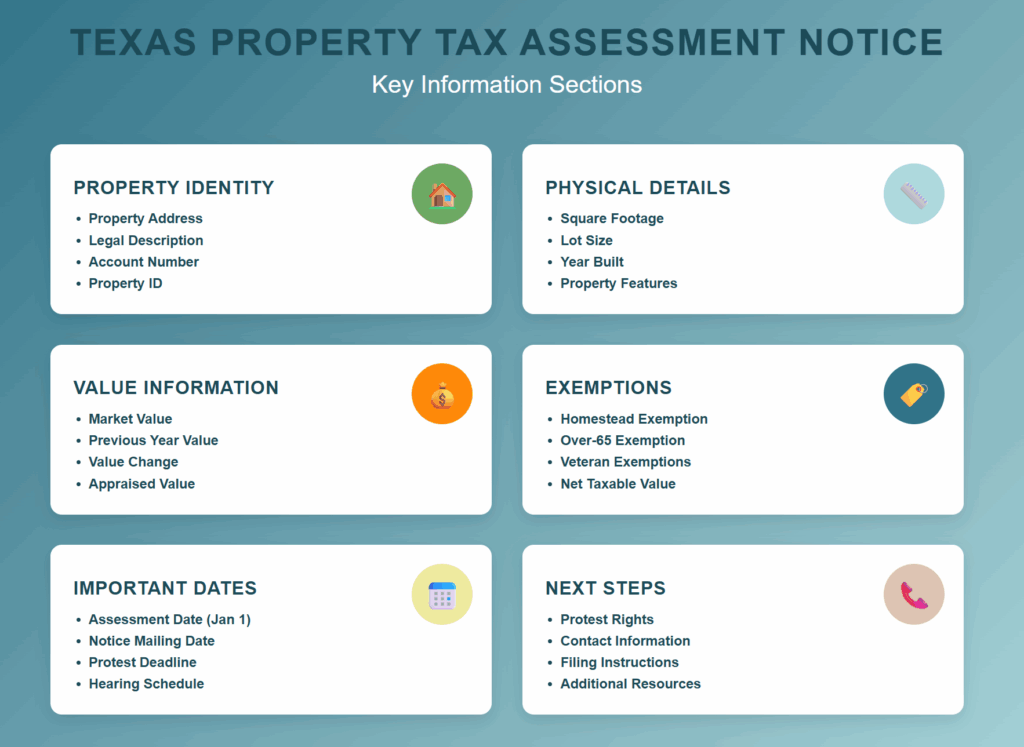
Texas Property Tax Assessment Guide: Read Yours
Florida Proposed Property Tax Changes
Property taxes in Florida are based on your home’s value. Each year, the county checks how much your house is worth and sends a bill. But with house prices going up fast, these bills can be too high for some people. The Florida proposed property tax plan wants to fix this.
One big change is to phase out non-school property taxes for homestead properties. Homestead means the house you live in as your main home. The plan would raise the exemption step by step. For example, it might add more to the $50,000 discount each year until those local taxes are gone. This could take 10 years, starting after voters approve it in 2026.
Is Florida eliminating property taxes? Not all of them. School taxes stay because they pay for education. But non-school ones, which are about half of the bill, could go away for average homes. For a $350,000 home, that might save $1,500 to $2,000 a year once fully done.
There is also talk of limiting how much your home’s taxable value can go up. Right now, it’s capped at 3% a year for homesteads. The plan might change that for other properties to 15% over three years.
The Florida property tax proposal update shows the House has moved the bill forward. But some worry it will hurt local areas. Cities use these taxes for roads, libraries, and safety. If taxes drop, they might cut services or raise other fees. For example, a study says it could mean $43 billion less money over time.
Will Florida reduce property taxes in 2025? Some small cuts might happen, but the big changes wait for 2026 votes. Counties vary too. In Miami, taxes might differ from Orlando. Always check your local rules.
For help with forms, see property tax filing tips. Learn about savings in homeowners tax deductions.
Let’s look at an example. Suppose your home is worth $300,000. Current exemption: $50,000, so taxed on $250,000. If the rate is 1%, the bill is $2,500. With the plan, exemption grows to cover all non-school parts, saving half.

Damngood Inspection: Home Inspections in Central Florida
Who Benefits from Florida Tax Reform?
The Florida tax reform proposal helps different groups. First, homeowners get the biggest wins. If you own your main home, the Florida tax plan for homeowners could cut your bill a lot. By getting rid of non-school taxes, you save money each year.
Seniors over 65 benefit extra. They already have added exemptions. The plan might make those stronger. For example, low-income seniors can get up to $100,000 off their home value for taxes. Do seniors pay property tax in Florida? Yes, but less with breaks.
Businesses might see changes too. If property taxes shift, some businesses could pay more. But the plan aims to keep Florida good for jobs. Small shops might like lower costs if they own buildings.
Renters might not benefit directly. Landlords pay property taxes, but they might raise rent if taxes go up for non-homestead places. However, if more people buy homes because taxes are low, rent could stabilize.
Who benefits from Florida tax reform? Mostly people who own their homes, especially families and older folks. It could make Florida more affordable to live in. But everyone uses services paid by taxes, so balance is key.
A real example: A family with a $400,000 home might save $2,000 a year. They can use that for groceries or vacations. Seniors on fixed money save even more, helping them stay in their homes.
For older people, read senior tax planning. Businesses, check small business tax benefits.

Lives Many Elderly Persons Have | Free Photo – rawpixel
Florida Senior Tax Exemptions Explained
Seniors in Florida get special help with property taxes. If you are over 65, you can apply for extra exemptions. This means less of your home’s value gets taxed.
First, eligibility: You must be 65 or older, live in the home as your main place, and meet income rules for some breaks. For the basic senior exemption, income must be under about $35,000 a year. You apply at your county tax office.
Benefits: The Florida over 65 property tax exemption can add $50,000 to your homestead discount. So, total off could be $100,000. This lowers your bill a lot.
Who is exempt from property tax in Florida? No one is fully exempt, but seniors get close with big discounts. Disabled veterans or first responders can get full exemptions sometimes.
The Florida senior tax break proposal in the new plan might make these even better. If non-school taxes phase out, seniors pay almost nothing for local taxes.
Example: A senior with $30,000 income and $250,000 home. Normal tax: maybe $2,000. With exemptions: down to $1,000 or less. The plan could cut it more.
Counties differ. In some places like Broward, extra rules apply. Always check locally.
This helps seniors stay in Florida during retirement. No cold winters, and lower taxes make it nice.
For details, see Florida senior tax exemption details. Plan for later years with retirement tax planning.
Seniors should gather papers like ID, income proof, and apply early. Deadlines are usually March 1. If approved, savings start that year.
Governor’s Role & Political Context
Governor Ron DeSantis plays a big part in the Florida proposed tax plan. He started talking about it last year. He wants to put the idea on the 2026 ballot for voters to decide.
The governor Florida tax plan is to eliminate property taxes for homeowners. He says people should not pay rent to the government forever on their homes. But it’s not full elimination; it’s for non-school parts.
In politics, the House and Senate must agree first. They need 60% yes in each to put it on the ballot. Then voters decide.
Is the Florida tax plan approved? Not yet. As of now, the House has advanced bills like HJR 203. But the governor wants a special meeting in spring to finalize.
Some leaders disagree. They worry about losing money for services. Others say it’s good for growth.
DeSantis dismissed some House ideas as too small. He wants bold changes.
For updates, read tax policy updates.
Florida House Select Committee on Property Taxes slated to meet …
Potential Impact on Homeowners
The Florida tax plan for homeowners could change how much you pay. For general homeowners, lower taxes mean more money in your pocket. But for seniors, it’s even better because of extra breaks.
Example calculation: Average home $350,000. The current property tax rate is about 1.8% total. Non-school half, so 0.9%. Tax: $3,150. With the plan, non-school gone, save $1,575.
Seniors: Add $50,000 exemption. Taxable value is lower, save more like $2,000+.
But the Florida property tax proposal update warns of downsides. If local governments lose money, they might raise sales taxes or fees. Home prices could go up if more people want to buy in Florida.
Seniors vs others: Older folks on fixed income benefit most. Young families might see bills drop, helping buy homes.
In counties like Miami-Dade, impacts vary. High-value areas might see bigger savings.
Plan your budget with homeowners tax planning.
A family example: Mom, dad, two kids. Save $1,000, use for school supplies. Senior: Save $1,500, for medicine or fun.
Timeline & Implementation
The new Florida tax plan 2025 talks lead to 2026 action. The ballot is in November 2026. If approved, changes start in 2027.
Steps: Legislature approves by spring 2026. Then vote. If yes, phase in over 10 years.
Will Florida reduce property taxes in 2025? Some rebates maybe, but main plan later.
Homeowners: Apply for homestead if not already. Watch the news.
See tax calendar 2025.
FAQs / Featured Snippets
Is Florida proposing to eliminate property taxes?
Yes, but only non-school ones for homesteads, phased over 10 years.
What is the Florida proposed tax plan?
A plan to cut property taxes by increasing exemptions, on the 2026 ballot.
Who benefits from Florida tax reform?
Homeowners, especially seniors.
Is the Florida tax plan approved?
Not yet; needs legislative and voter approval.
More questions: Does it affect renters?
Indirectly, maybe higher rents.
What is the governor Florida tax plan?
DeSantis wants full elimination for homesteads.
Is Florida eliminating property taxes in 2026?
No, vote in 2026, phase after. Florida senior property tax exemption: Extra $50,000 off for over 65.
Do seniors pay property tax in Florida?
Yes, but reduced.
Conclusion
The Florida proposed tax plan could change things for the better. It aims to lower property taxes, especially for homes people live in. Seniors and homeowners get help, but all must watch for impacts. The new Florida tax plan 2025 leads to 2026 votes.
Stay informed. Subscribe to Tosinowo CPA blog for updates.
Recap: Plan phases out non-school taxes, saves money, needs approval.
Call to action: Check blog, plan taxes.
Historical Context of Florida Property Taxes
Florida has changed taxes over time. In 1992, Save Our Homes capped increases at 3%. Before, no income tax since 1924. Property taxes fund most local stuff. Past cuts helped after hurricanes. Link to past Florida tax changes.
Explain history simply: Long ago, Florida decided no income tax to attract people. Property taxes grew with the population. Reforms like homestead started in 1968.
Challenges: After the 2008 crash, taxes adjusted. Now with high prices, new reforms are needed.
Comparison with Other States’ Tax Reforms
Other states like Texas cap property taxes too. California has Prop 13 limiting increases. Florida’s plan is bolder, phasing out parts. Texas gives big exemptions but has high rates. Some states eliminate seniors fully. Florida’s no income tax makes it unique. See comparative tax blog.
Examples: In Georgia, rebates sometimes. New York high taxes. Florida aims low taxes to grow.
Pros: Attracts movers. Cons: Service cuts.
Expert Opinions on Florida Tax Plan
Experts say it’s good for relief but risky. One think tank warns of $43B loss. CPAs like Tosinowo say plan ahead. Economists worry housing prices rise. Others praise families. Link to CPA insights blog.
Recommendation post: