
No tax on overtime is a policy designed to alleviate financial strain for workers by reducing the tax burden on their extra earnings from additional shifts. This initiative aims to help those working extra hours to make ends meet or save for special goals, potentially allowing their hard-earned money to stretch further.
No Tax on Overtime Explained
Let’s start with the basics. No tax on overtime is a deduction that lets you subtract certain overtime pay from your taxable income when you file your taxes. It’s not that your overtime check arrives with zero taxes withheld right away. Instead, it’s something you claim later to get some money back. This came about as part of a bigger bill to help working people keep more of what they earn from putting in those extra hours.
Think of it like this: if you work over 40 hours a week and get paid time and a half, the no tax on overtime lets you deduct the premium part, the extra amount beyond your regular rate. For many, this means a nicer refund or owing less come tax time. It’s designed for folks who rely on overtime to boost their income, making it feel a bit fairer. For more details, check the IRS guidance on the One Big Beautiful Bill Act provisions.

The No Tax on Overtime Bill
The no tax on overtime bill is tucked into the One Big Beautiful Bill Act, which got signed into law earlier this year. This act covers a few tax breaks, including ones for tips and seniors, but the overtime part stands out for hourly workers. It was pitched as a way to reward hard work without the government taking as big a bite.
In simple terms, the bill says that for qualifying overtime, you can deduct up to a certain amount from your income. This isn’t unlimited, though. There’s a cap to keep it focused on average earners. If you’ve been following news about tax changes, this is one that directly touches people in jobs like construction, nursing, or retail, where overtime is common.
No Tax on Overtime Rules

Now, onto the rules for no tax on overtime. To qualify, your overtime has to be under the Fair Labor Standards Act, or FLSA. That means pay at least one and a half times your regular rate for hours over 40 in a week. If your overtime comes from a state law or a union agreement but isn’t required by FLSA, it might not count. The IRS has guidelines to check this.
Also, the deduction is for the pay that exceeds your regular hourly rate. So, if you make $20 an hour normally, and overtime is $30, you deduct the $10 difference per hour. There are limits on how much you can deduct each year, and it phases out if your income is too high. These rules help ensure it’s helping those who need it most.
Overtime Tax Bill Effective Date
The overtime tax bill effective date is for tax year 2025. That means it kicks in for overtime you earn starting January 1, 2025, and you’ll first claim it when you file your 2025 taxes in early 2026. It’s set to run through 2028, so four years of potential savings. If you’re planning your finances, this timing could influence how much overtime you pick up.
Keep in mind, even though it’s effective now, your paychecks won’t change immediately. Taxes are still withheld as usual on overtime. The benefit shows up when you do your return. For those in the middle of the year, it’s worth noting what counts from here on out.
No Tax on Overtime Income Limit
There’s no tax on overtime income limit to consider. The maximum deduction is $12,500 for single filers or $25,000 for joint filers. But it starts phasing out if your modified adjusted gross income is above a certain threshold. From what the IRS says, this is around $400,000 for individuals and $800,000 for couples, though exact numbers might adjust.
This limit keeps the break targeted at middle income workers. If you’re earning well above that, the deduction shrinks or disappears. It’s a way to balance the policy, making sure it supports everyday folks without extending to high earners who might not need the help as much. Details are in the IRS fact sheet on OBBB provisions
Do You Get Overtime Taxes Back
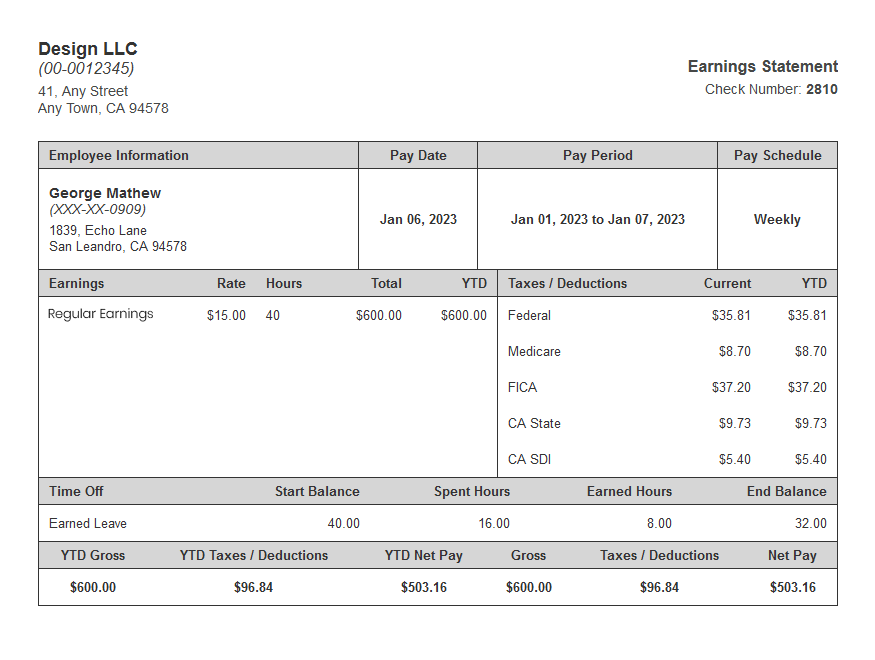
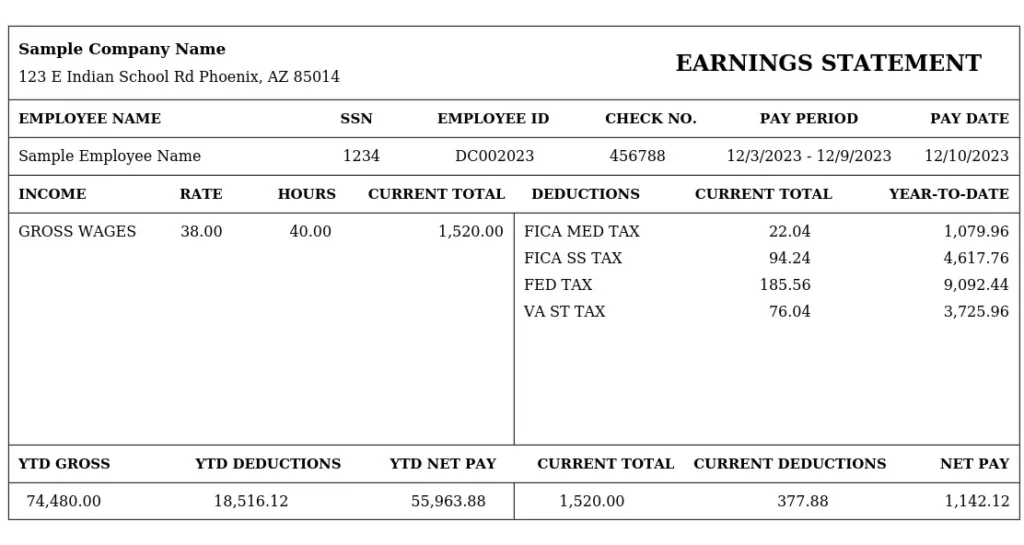
Yes, with no tax on overtime, you do get overtime taxes back in a sense. Since taxes are withheld from your check, including on overtime, the deduction means you’ll likely see a refund for the tax paid on that qualifying premium pay. It’s not instant, but it comes when you file.
For example, if you had $5,000 in deductible overtime premium, and you’re in a 22 percent tax bracket, that could mean over $1,000 back. Just remember to keep good records of your hours and pay stubs. The IRS will need you to report it correctly on your return.
Who Qualifies for No Tax on Overtime
Not everyone qualifies for no tax on overtime. You need to be an employee receiving overtime under FLSA rules. Salaried workers often don’t get overtime, so this is mostly for hourly folks. Also, if you’re self employed, this doesn’t apply, as there’s no overtime in that setup.
Certain jobs might have exemptions under FLSA, like some professionals or executives. Check with your employer or a tax pro to see if your overtime fits. The goal is to cover those in roles where extra hours are the norm, like manufacturing or healthcare.
How to Claim No Tax on Overtime
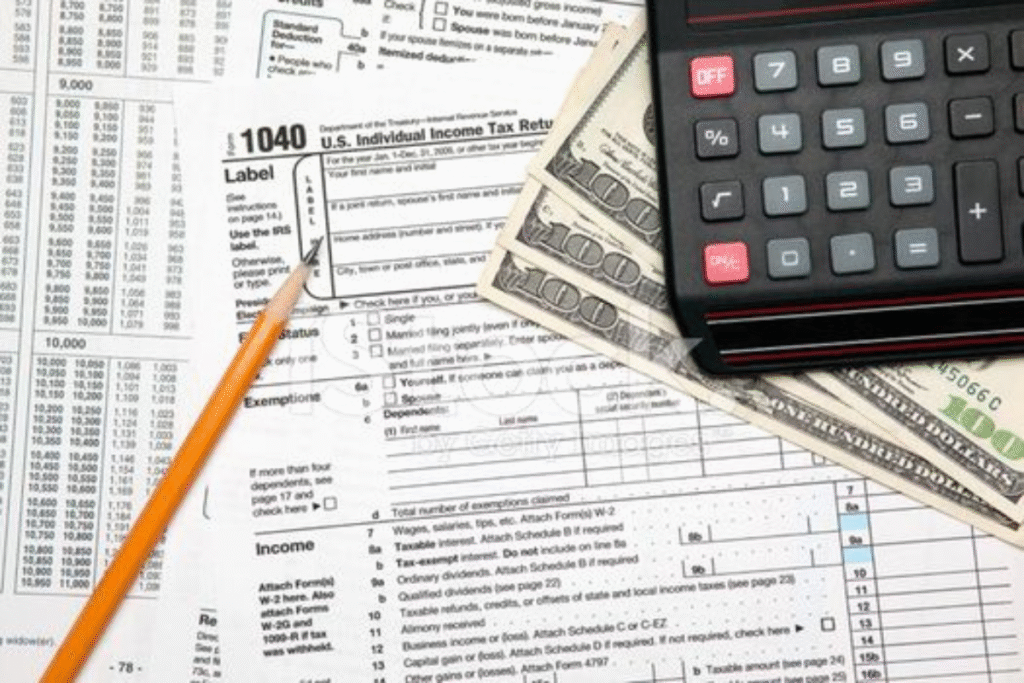

Claiming no tax on overtime is straightforward once you have your paperwork. On your tax return, it’ll be an above the line deduction, meaning you can take it even if you don’t itemize. You’ll need to fill out a new schedule or form the IRS provides for this.
Gather your W2, which should show overtime separately if your employer tracks it that way. If not, calculate the premium based on hours worked. Software like TaxAct or TurboTax will likely have prompts for this starting next filing season.
Benefits of No Tax on Overtime for Workers
The benefits of no tax on overtime can add up. For someone working regular overtime, this could mean hundreds or thousands more in your pocket each year. It’s like a quiet raise, helping with bills, savings, or even a family vacation.
It also encourages employers to offer overtime without workers worrying as much about the tax hit. In a time when many are stretching their budgets, this policy feels like a nod to the effort people put in.
Potential Drawbacks of No Tax on Overtime
Like any tax change, there are potential drawbacks to no tax on overtime. For one, it doesn’t reduce Social Security or Medicare taxes, which are still due on all wages. So, you’re not saving on everything.
Also, if your income pushes you into a higher bracket because of overtime, the deduction might not fully offset that. And for high earners, the phase out means limited benefit. It’s worth running numbers to see the net effect.
No Tax on Overtime and Your Paycheck
No tax on overtime won’t change your paycheck directly. Withholding happens as before, based on your W4 settings. The relief comes later, so you might need to adjust withholding if you want more take home pay now.
Talk to HR about how they report overtime. Some companies might start noting it separately to make claiming easier. This way, when tax time rolls around, everything lines up smoothly.
Comparing No Tax on Overtime to Other Tax Breaks
Compared to other tax breaks, no tax on overtime is specific to workers. Unlike the child tax credit or home office deduction, it’s tied to extra hours. It’s similar to the no tax on tips, which is also part of the same bill.
For seniors, there’s a break on Social Security, but for active workers, this stands out. It rewards effort in a direct way, unlike broader credits that apply to everyone.
No Tax on Overtime in Different Industries
In industries like construction, no tax on overtime could be a big deal, where long hours are standard. Nurses and teachers might see benefits too, if they qualify for overtime.
In tech or office jobs, it’s less common since many are exempt. But for those who do get it, like support staff, it’s a welcome change. Each field has its own spin on how this plays out.
Preparing for No Tax on Overtime in 2026

To prepare for no tax on overtime, start tracking your hours now. Use an app or notebook to log overtime shifts. This will help when calculating the deduction.
Also, review your tax situation. If you usually owe, this might flip you to a refund. Consider saving some of that expected return for emergencies or fun.
Common Questions About No Tax on Overtime
People often ask if no tax on overtime applies to bonuses or holiday pay. No, it’s strictly for overtime hours. Another question is about part time workers; if you go over 40 hours, yes, it could apply.
For union members, check your agreement. If overtime is mandated by FLSA, it counts. These details clear up a lot of confusion.
Future of No Tax on Overtime Beyond 2028
The no tax on overtime is temporary, ending after 2028 unless extended. Lawmakers might renew it if it’s popular. Keep an eye on elections and budget talks.
For now, make the most of it. It could evolve, perhaps with higher limits or broader qualifications. Policies like this often adjust based on feedback.
As we wrap up our chat, think about how no tax on overtime might give you a bit more breathing room. Whether it’s padding your savings or treating yourself after those long days, it’s a small win for hard workers. If you’re eligible, take the time to understand it and claim what you deserve. Taxes can feel overwhelming, but breaks like this make them a little less so. Share your thoughts in the comments if you’ve got questions or stories about overtime in your life. Here’s to making the most of what we earn. For official rules, head to IRS.gov.
Recommended Post:
- How Much Do Small Businesses Pay in Taxes? Guide to Rates & Costs.
- Properly Terminating an LLC: Avoid Legal, Tax, and Financial Risks
- IRS Tax Kiosk Closures: Why the IRS Is Saying Goodbye to Tax Kiosks
- Personal Property Tax in Missouri (2026): Complete Guide
- GAAP vs. Tax Basis Financial Statements: Key Differences & Impact
- Do Salaried Workers Get Overtime Pay?